

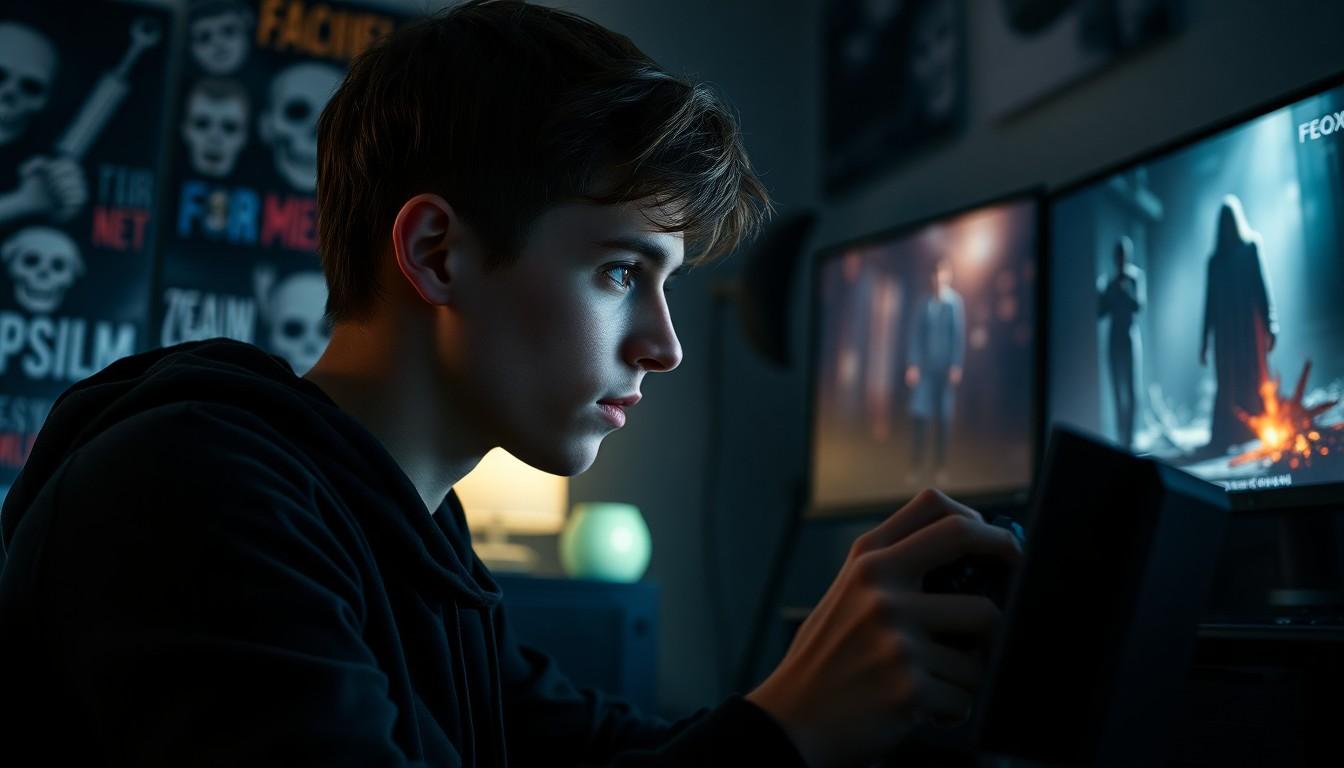
In the vast universe of gaming, few titles evoke as much intrigue and suspense as “Fears to Fathom.” This indie horror gem has players gripping their controllers tighter than a cat clinging to a tree during a thunderstorm. But what happens when you throw it into the world of Xbox? Spoiler alert: it gets even spookier and a whole lot more entertaining.
Imagine diving into a chilling narrative that blends the mundane with the macabre, all while navigating the familiar comforts of your Xbox. This isn’t just another game; it’s a rollercoaster of emotions where every corner holds a new surprise. Whether you’re a seasoned horror aficionado or someone who jumps at their own shadow, “Fears to Fathom” on Xbox promises to keep you on the edge of your seat, laughing nervously as you confront your deepest fears. Ready to take the plunge?
Overview of Fears To Fathom Xbox
“Fears to Fathom” stands out as an innovative indie horror game. Players engage in chilling narratives that blend relatable life scenarios with intense horror elements. Each episode presents unique stories that captivate audiences and evoke fear, making it a compelling choice for Xbox users.
Gameplay mechanics enhance immersion. Players navigate environments filled with unsettling sounds and atmospheric details. Attention to realism amplifies the sensation of dread, keeping players on edge. Each decision impacts narrative threads, allowing for a tailored experience.
Graphics play a crucial role in the game’s appeal. Visual storytelling complements the narrative, creating an anxiety-inducing atmosphere. High-quality textures and lighting effects enhance the fear factor, making the experience more engaging. Xbox’s hardware capabilities contribute positively to these visual elements.
Sound design deserves special mention. Eerie ambient sounds generate tension, setting an unsettling tone. Voice acting heightens emotional depth and draws players deeper into the story. Players can feel the intensity of each encounter, contributing to a multi-sensory experience.
Community engagement adds another layer to the game. The player base actively discusses strategies, story interpretations, and theories online. This dialogue fosters a sense of belonging among fans and enhances the overall enjoyment. Sharing experiences enriches the adventure, making it even more thrilling.
With its original concept and engaging elements, “Fears to Fathom” captures the imagination of Xbox players. The emotional journey resonates with a wide audience, appealing to both horror aficionados and newcomers. Exploration, decision-making, and community make this game a noteworthy addition to the horror genre.
Gameplay Features

“Fears to Fathom” captivates players with its immersive gameplay elements that heighten the horror experience. Unique storytelling alongside atmospheric design keeps gamers on edge.
Storyline and Immersion
Engaging narratives drive the gameplay in “Fears to Fathom.” Each episode unfolds a different story, plunging players into relatable yet terrifying scenarios. Players experience everyday situations that quickly escalate into nightmarish events. Emotional resonance stems from realistic character development and dialogue, allowing players to connect deeply with the protagonists. Choices made throughout the game influence the storyline, enhancing immersion. The fear of the unknown becomes palpable as players navigate unsettling environments while facing unseen threats.
Graphics and Sound Design
High-quality graphics define “Fears to Fathom,” showcasing detailed textures and dynamic lighting. Players encounter visually striking environments that evoke dread and tension. Distinctive art styles contribute to the game’s overall atmosphere, creating a chilling setting. Sound design plays a critical role, integrating haunting ambient noises with impactful voice acting. Eerie soundscapes heighten suspense, making each moment feel more intense. Players often remark on the chilling effects of sound, which complement visual elements perfectly, crafting an unparalleled horror experience.
Player Experience
“Fears to Fathom” offers an intense player experience on Xbox, drawing in gamers with its unique blend of everyday fears and horror elements. Players find themselves immersed in chilling narratives where choices matter.
Controls and Mechanics
Controls offer simplicity yet deliver significant impact. Players navigate environments with ease, allowing fluid movement that enhances immersion. Each mechanic, from interaction to decision-making, feels intuitive. Decisions influence the storyline, resulting in multiple outcomes. This design choice engages players, encouraging them to explore every scenario. Quick reflexes can be vital in high-stakes moments, introducing adrenaline-fueled encounters. Mechanics support the horror themes well, ensuring players remain on edge throughout.
Atmosphere and Tension
Atmosphere captivates players instantly, creating a palpable sense of dread. Visuals employ high-quality textures and dynamic lighting, making environments immersive and lifelike. Eerie ambient sounds accompany gameplay, heightening suspense effectively. Each moment feels charged with tension, drawing players deeper into the dark narrative. Carefully crafted jump scares and unexpected twists keep them on their toes. Through these elements, “Fears to Fathom” establishes a relentless atmosphere of fear, making players think twice about their choices. Tension builds consistently, ensuring that every encounter remains unforgettable.
Comparisons to Other Horror Games
“Fears to Fathom” distinguishes itself from many mainstream horror titles through its focus on relatable experiences. While traditional games often rely on supernatural elements, this indie title emphasizes everyday fears that resonate deeply with players.
Games like “Resident Evil” and “Silent Hill” immerse players in environments filled with grotesque monsters and elaborate plots. Contrast this with “Fears to Fathom,” where dread emerges from the familiar—players confront chilling situations that could happen in real life.
In “Fears to Fathom,” player choices significantly impact the storyline. Other horror games, such as “Until Dawn,” also incorporate decision-making but may lack the grounded, everyday horror appeal found here. Characters evolve in response to choices, which heightens emotional stakes and investment.
Graphics in “Fears to Fathom” contribute to its horror atmosphere uniquely. Many games utilize hyper-realistic graphics, but this game combines high-quality textures with uncanny familiarity. The result is a world that feels disturbingly close to home.
Sound design plays a crucial role in setting the mood. Unlike titles that depend on jump scares or loud sound effects to build tension, “Fears to Fathom” employs subtle ambient sounds to cultivate unease. This nuanced approach results in a more psychologically impactful experience.
Community engagement remains a strong aspect that further enriches the game. Many players share strategies and theories online, enhancing enjoyment. While prominent horror titles often focus on individual experiences, “Fears to Fathom” fosters collective discussion, creating a sense of camaraderie among fans.
Community Reception
Community reception of “Fears to Fathom” has been overwhelmingly positive. Players appreciate its innovative approach to horror by blending ordinary life experiences with unsettling scenarios. Forums buzz with discussions about each episode’s unique story, showcasing the game’s ability to engage diverse audiences.
Engagement within the community flourishes with players sharing success strategies and theories about the narrative. This interaction fosters a sense of belonging, creating a supportive network of fans. Community members often highlight how choices impact the storyline, emphasizing deep emotional connections formed through relatable experiences.
Social media platforms serve as active discussion hubs, where players post gameplay videos and personal interpretations of the episodes. Feedback consistently points to the effective use of graphics and sound design, which players find immersive and atmospherically rich. Many gamers comment on the game’s capacity to evoke eerie feelings, attributing this success to the high-quality textures and ambient noises.
Surveys show that many players find the unique mixture of everyday fears and horror elements refreshing compared to conventional horror titles. Preference for relatable experiences over supernatural themes resonates well. Community members frequently compare “Fears to Fathom” with franchises like “Resident Evil” and “Silent Hill,” often favoring its grounded approach.
Overall, player sentiments reflect a highly engaged community, driven by the game’s emotional depth and innovative storytelling. Many express excitement for future episodes, anticipating even more developments within the narrative. The supportive player base continues to grow, solidifying “Fears to Fathom” as a significant staple in the indie horror gaming landscape.
Conclusion
“Fears to Fathom” redefines the horror gaming experience by intertwining relatable scenarios with chilling narratives. Its ability to evoke fear from everyday situations resonates deeply with players, making each episode a gripping journey. The innovative gameplay mechanics and high-quality graphics enhance immersion, while the sound design crafts an atmosphere that lingers long after the game ends.
As the community continues to grow and engage in discussions, the game’s impact on the indie horror genre is undeniable. Players eagerly anticipate future episodes, drawn in by the emotional depth and suspenseful storytelling that sets “Fears to Fathom” apart. This title is more than just a game; it’s a shared experience that invites players to confront their fears in a uniquely captivating way.


