

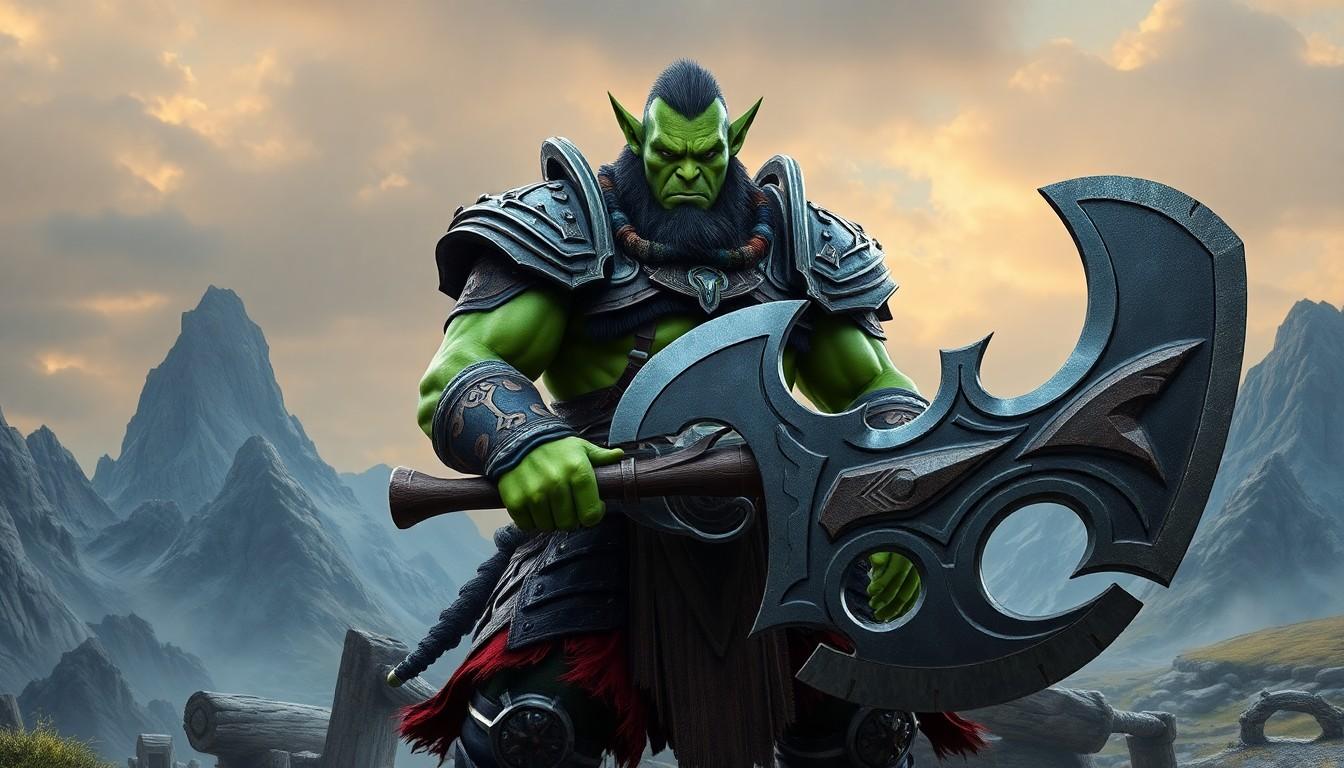
In the vast universe of World of Warcraft, few characters are as iconic as the orcs. With their hulking physiques, battle cries that could wake the dead, and a penchant for smashing anything that stands in their way, orcs are the ultimate embodiment of might and mischief. But don’t let their rough exterior fool you; these green-skinned warriors have a rich history filled with honor, betrayal, and the occasional over-the-top brawl.
Overview of Orcs in World of Warcraft
Orcs represent a central race in the World of Warcraft universe. Known for their imposing physical strength and warrior spirit, they are often seen charging into battle with raw ferocity. Their culture emphasizes honor and loyalty, driving them to forge powerful alliances.
Origins trace back to the shattered world of Draenor, where they lived as shamanistic tribes. The arrival of the Burning Legion led to corruption, ultimately causing the orcs to embrace a bloody war against the draenei. This pivotal moment catalyzed their transformation from noble warriors into brutal conquerors.
Once enslaved by demonic influences, many orcs fought against their oppression. The establishment of the Horde marked a significant turning point, uniting various tribes under one banner. This alliance allowed them to reclaim their honor and redefine their purpose in a tumultuous world.
As players immerse themselves in the game, they experience the duality of the orc experience. Struggles against external threats reflect their inner turmoil and quest for redemption. Notably, influential leaders such as Thrall and Grommash Hellscream embody the journey of the orc race from savagery to honor.
Strength, resilience, and a complex history characterize the orcs. Players encounter various clans, each with unique traits and traditions. The Iron Horde exemplifies the aggressive faction that sought domination, while the Frostwolf clan represents a commitment to honor and preservation.
Interactions with other races further enrich the narrative. Orcs compete with humans, night elves, and trolls, constantly reshaping alliances. Each interaction illustrates a broader conflict, driving individual stories and collective quests within the vast landscape of Azeroth.
History of Orcs

Orcs possess a rich and complex history that shapes their identity in the World of Warcraft universe. Their past intertwines themes of conflict, honor, and redemption.
Origins of the Orc Race
Orcs originated on the planet of Draenor, where shamanistic tribes thrived. These tribes lived in harmony with nature, guided by their spiritual beliefs and respect for the elements. Challenges arose when the Burning Legion invaded Draenor, leading to the corruption of many orcs. This manipulation transformed noble warriors into aggressive conquerors driven by demonic power. Many orc clans fell into chaos, abandoning their ancestral traditions in favor of war. Shamanism waned as the pursuit of strength took precedence. Despite this dark transformation, remnants of their original culture persisted in certain clans.
The First and Second Wars
The First War ignited in 1994, marked by the orc invasion of Azeroth. The Horde, a coalition of orc clans, launched brutal assaults against human kingdoms. Cities fell, and the orcs attempted to conquer the realm. Following their initial success, the Alliance rallied, pushing back the Horde in the Second War. In this conflict, the introduction of powerful alliances and tactics led to significant victories. The orc clans, united under leaders like Blackhand, fought fiercely, yet the tides turned with the Alliance’s strategic counterattacks. Exile and internal strife plagued the orcs, ultimately resulting in a fractured Horde that sought redemption and honor. These wars deeply affected orc culture, leaving lasting scars and shaping future relationships with other races.
Orc Clans and Their Characteristics
Orc clans in World of Warcraft display distinct traits that reflect their unique cultures and histories. These clans, despite sharing a common ancestry, diverge significantly in their beliefs and practices.
Notable Orc Clans
The Warchief led the Blackrock clan, known for their brutal strength and aggressive tactics. The Frostwolf clan stands out due to its strong values of honor and unity. Alternatively, the Iron Horde emerged as a major threat, embracing technological advancements and relentless conquest. Other significant clans include the Shadowmoon clan, recognized for their dark shaman practices, and the Warsong clan, famed for their ferocity in battle. Each clan contributes to the rich tapestry of orc history.
Clan Traits and Objectives
Each orc clan possesses unique objectives that shape their interactions. Loyalty to clan leaders drives the Frostwolf clan, focusing on survival and honor. The Blackrock clan prioritizes power, seeking domination through warfare. Technological superiority marks the Iron Horde’s approach, rapidly modernizing their methods of warfare. Cultural contrast shapes clan dynamics significantly, influencing alliances and rivalries. The characteristics of each clan highlight not just their differences but also their shared ancestry and complex narratives intertwining throughout their history.
Orc Culture and Society
Orc culture is rich and layered, infused with values and traditions that shape their identity and social structure.
Values and Traditions
Honor serves as the cornerstone of orc society. It dictates their actions in battle and their day-to-day interactions. Loyalty to clan and family holds equal significance. These warriors form strong bonds, often prioritizing their community over individual desires. Traditions such as the Rite of Passage reinforce bravery, where young orcs prove their worth as warriors. In addition, storytelling plays a vital role in preserving history, as tales of legendary figures inspire future generations. Rituals surrounding warfare, feasting, and ancestor worship strengthen clan ties and emphasize respect for the past, marking the orc experience with a profound sense of connection to their heritage.
The Role of Shamanism
Shamanism connects orcs to the spiritual realm, influencing their worldview and practices. Many orc clans revere shamans as spiritual leaders, seeking their guidance in times of crisis. These shamans often commune with elements like earth, fire, wind, and water, channeling their powers for protection and healing. This connection fosters a deep respect for nature and balance within their environment. Rituals centered around shamanistic practices include ceremonies to honor the elements and ancestral spirits, reinforcing a cultural identity steeped in spirituality. Through these practices, orcs maintain their connection to their ancestors while navigating the challenges of warfare and survival.
Orc Gameplay Mechanics
Orc gameplay mechanics offer unique advantages that enhance player experience in World of Warcraft. Their abilities make them formidable opponents and valuable allies in various quests.
Racial Abilities
Orcs enjoy several racial abilities that enhance their performance in combat. Blood Fury increases attack power, providing a significant damage boost in battles. Hardiness offers a useful resistance to stun effects, which is critical during intense encounters. While Command improves pet damage for those who choose the Hunter class, it highlights their versatility. These traits collectively empower orcs, making them effective choices for both PvE and PvP scenarios.
Class Specializations
Class specializations reflect the diverse roles orcs can fulfill in battle. Warriors often embrace the Fury specialization for high damage output, while those drawn to Protection become stalwart defenders. Rogues typically specialize in Assassination, using stealth to eliminate foes swiftly. Additionally, orc shamans can choose Elemental or Enhancement, tapping into powerful nature magic or becoming melee-focused combatants. Each specialization enables players to tailor their gameplay experience, catering to individual playstyles while capitalizing on the orc’s innate strengths.
Conclusion
Orcs in World of Warcraft embody a rich tapestry of strength and complexity. Their journey from noble warriors to fierce conquerors illustrates the duality of their existence. This evolution not only shapes their identity but also enriches the gameplay experience for players.
The diverse clans highlight the multifaceted nature of orc culture, emphasizing values like honor and loyalty. Whether battling against external foes or grappling with their own past, orcs continue to resonate with players as symbols of resilience and redemption. As players delve deeper into the world of Azeroth, the orc experience remains a powerful testament to the enduring spirit of this iconic race.


